Why I needlepoint!

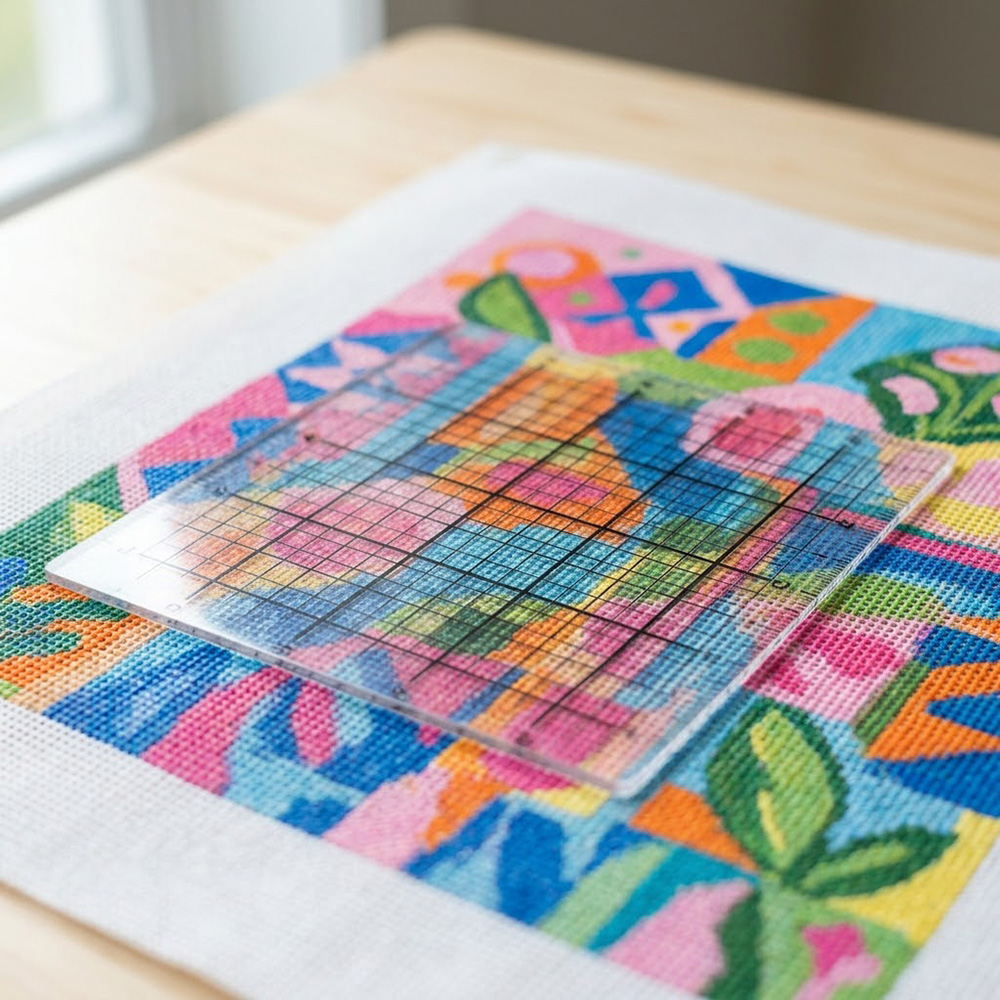
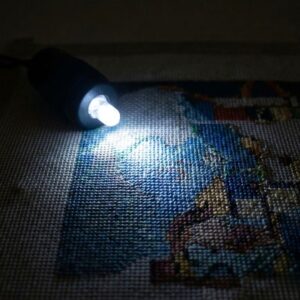
An extra-large 6x4-inch 3x optical grade magnifier with a bright, extended LED craft light attached, shown with its wide-mouth clip ready for use on a crafting surface.

I often get asked why I needlepoint. Needlepointing is a wonderfully rewarding hobby that combines creativity, craftsmanship, and surprisingly powerful wellness perks. Here’s a breakdown of its main benefits

1.Stress relief and relaxation

The repetitive, rhythmic motion of pulling thread through canvas acts like “meditation in motion.” It naturally slows breathing, quiets racing thoughts, lowers cortisol (stress hormone) levels, and promotes a calm, meditative state. Many stitchers describe it as more effective than scrolling on a phone for unwinding.

2.Mindfulness and presence

Focusing stitch by stitch forces you to stay in the moment, gently pushing aside worries, distractions, or daily stressors.

3.Sense of accomplishment and confidence

Completing sections (or an entire piece) provides tangible progress and pride. Seeing your work come together builds self-esteem, especially when you tackle more complex stitches or designs.

Others benefits include-

1.Improved focus, patience, and concentration

2.Fine motor skills and hand-eye coordination

3. You can stitch almost everywhere ( couch,plane, d odor’s office) and projects are portable

4. Digital Detox— It’s a productive way to step away from devices while still feeling engaged and creative.

And we can’t forget it provides creative expression and social connection with other stitchers. Overall, needlepoint stands out as a low-pressure yet deeply satisfying hobby: it’s forgiving for beginners, endlessly varied for experienced stitchers. If you’re looking for something tactile, achievable, and genuinely calming in 2026, needlepoint checks a lot of boxes.

How to Anchor Threads in Needlepoint

Close-up of a hand practicing a needlepoint anchoring technique on a vibrant canvas

Starting a new project is exhilarating, but messy tails can ruin your experience. At Quail Run Needlework, we know that the secret to a professional finish lies in how you anchor your threads. Whether you are a beginner or a seasoned pro, mastering these foundational techniques ensures your canvas remains smooth, secure, and ready for beautiful finishing without any unsightly lumps or loose ends.

Close-up of a waste knot on a needlepoint canvas with burgundy thread.

The Reliable Waste Knot Method

The waste knot is a classic technique every stitcher should know when visiting our Scottsdale needlepoint store. You simply tie a small knot at the end of your thread and pop it through the front of the canvas about an inch from your starting point. As you stitch toward the knot, you securely cover the tail.

Macro view of an away knot used to secure thread on a needlepoint project.

Precision with the Away Knot

Similar to the waste knot, the away knot is perfect for delicate needlepoint threads that might slip. You place the knot further away in a non-stitched area, ensuring the tail is long enough to be woven back in later. This provides maximum control and a clean surface, which we emphasize in all our Scottsdale needlepoint classes.

View of the back of a needlepoint canvas showing thread being woven in.

Seamless Weaving in the Back

When your canvas is already filled with beautiful stitches, weaving in the back is the cleanest way to end a thread. Simply slide your needle under three or four existing stitches on the reverse side. This friction-based anchor is invisible from the front and keeps your work flat, making it ideal for high-quality professional finishing.

Detailed close-up of a discreet L-stitch anchor on a needlepoint canvas.

The Discreet L-Stitch Technique

For those who prefer a completely knot-free experience, the L-stitch is a game-changer. By making two tiny, perpendicular stitches over a single canvas intersection, you create a firm anchor that is eventually hidden by your decorative stitching. It is a sophisticated method we love teaching during our creative workshops here at Quail Run Needlework.

Ready to elevate your technique? Join us at Quail Run Needlework in Scottsdale for hands-on guidance. Whether you are browsing our premium needlepoint products or attending one of our needlepoint classes, our expert team is here to help you master every stitch. Visit us today and let’s start your next beautiful project together!

Contact Us

Mistakes to Avoid When Working with Needlepoint Canvases

Needlepoint canvases are the foundational element of your project, and correct handling is crucial for achieving a professional finish. At Quail Run Needlework, we understand the investment you make in your craft. Avoiding a few common errors will enhance your stitching experience and ensure the longevity of your finished piece.

Mistake 1: Ignoring Proper Tension

Failing to mount the canvas with adequate, even tension is a frequent error, causing “canvas sag” or design distortion. Working on a taut canvas, secured to a frame, prevents the finished design from pulling out of square. The fix: Always ensure your canvas is drum-tight before you begin. This maintains the canvas’s shape and makes achieving uniform stitches easier.

Mistake 2: Incorrect Needle Selection

Using a needle that is too thick or too fine for the mesh size is a common oversight. An oversized needle can damage the canvas threads, while a too-small one causes drag. The fix: Match your tapestry needle size (e.g., size 20 for 13-mesh) to your canvas. A correct fit allows the needle to pass smoothly, preserving canvas integrity and ensuring thread coverage is optimal.

Mistake 3: Skipping Edge Finishing

Neglecting to secure the raw edges of your canvas leads to frustrating fraying. The edges can unravel as you handle the piece, reducing the workable area and snagging your yarn. The fix: Before the first stitch, use painter’s tape or a serged stitch to bind the edges. This simple preventative step contains the warp and weft threads, protecting your design area from damage.

Mistake 4: Premature Wet Blocking

Wet blocking is an essential final step, but doing it before the stitching is complete is a major mistake. Introducing moisture to an unfinished canvas can permanently alter the sizing and tension, making it difficult to complete the remaining design. The fix: Reserve blocking for the very end. Focus solely on your stitching technique until the last needlepoint is secured. Reshaping should only happen once the project is 100% finished.

Stitching Success: Your Next Step

By avoiding these four common pitfalls, you will significantly elevate the quality of your needlepoint work. A well-cared-for canvas translates directly to a stunning finished piece. For all the professional supplies and expert advice you need, visit us at Quail Run Needlework.

How to Get Started with Needlepoint

Are you curious about needlepoint but unsure where to begin? This beautiful, rewarding craft is more accessible than you might think. Starting your first project is an exciting step into a world of creativity, and Quail Run Needlework is here to guide you.

A friendly, knowledgeable staff member in a denim shirt shows a beginner customer a simple, colorful 10 mesh needlepoint starter kit with large floral designs. They are standing at the counter in the store, surrounded by shelves stocked with numerous colors and types of thread.

Choose Your First Canvas Wisely

The first crucial step is selecting your canvas. We highly recommend choosing a design with a larger mesh size (like 10 or 12 mesh) as these stitches are easier to see and more forgiving for beginners. Opt for a smaller design or a clear needlepoint kit to build your confidence. Our curated kits are designed for ease and enjoyment, perfect for your inaugural project.

A flat-lay shot of essential needlepoint supplies on a light wooden table, including a finished cross-stitched floral pattern, an embroidery hoop, golden scissors, multiple blunt tapestry needles, a thimble, and a drawstring bag overflowing with colorful embroidery floss.

Gather Your Essential Supplies

Once your canvas is chosen, you’ll need a few basics. Gather a selection of threads—such as wool, cotton, or silk—in your design’s colors. You’ll also need blunt-tipped tapestry needles, which won’t pierce the canvas fibers. A small pair of sharp scissors and a hoop or stretcher bars to keep your canvas taut are also incredibly helpful. Our shop carries all the high-quality tools and accessories you will need.

A close-up view of an instructor (older hands) pointing to a sampler of various embroidery or needlepoint stitches on a canvas held in a wooden hoop, demonstrating technique to a student. An open instruction book, a magnifying glass, and a thimble are on the table.

Master Basic Stitches and Techniques

The beauty of needlepoint is that stunning results come from just a few fundamental stitches. The continental stitch and the basketweave stitch are excellent starting points to create a durable, even texture. Our Basics Revisited class is perfect for learning or refreshing these foundational techniques. Focus on maintaining consistent tension and stitch direction for a clean, professional finish.

A diverse group of five adults, including several older women and a younger man, are laughing and happily stitching canvases together around a wooden table. The scene is bright and social, illustrating a welcoming community atmosphere.

Embrace the Learning Process and Community

Don’t be afraid to make mistakes—they are part of the learning! The needlepoint community is incredibly supportive. Consider joining one of our Stitch Studio sessions or private lessons for personalized guidance. Our welcoming Stitch and Chat events offer a relaxed environment to connect with fellow enthusiasts, share progress, and draw inspiration. This nurturing approach makes the learning journey truly enjoyable.

Your Needlepoint Adventure Awaits

Getting started with needlepoint is an enriching experience that combines artistic expression with a calming, meditative process. With the right canvas, tools, and a supportive community, you’ll be creating beautiful pieces in no time. Visit Quail Run Needlework today and let your stitching adventure begin!

View Our Upcoming Events

Benefits of Joining a Needlepoint Class or Workshop

Needlepoint is a wonderfully rewarding craft, but the journey is often more joyful when shared. Joining a structured class or workshop at Quail Run Needlework offers immense benefits, whether you are a beginner mastering the basics or an experienced stitcher seeking fresh inspiration.

A friendly female instructor gently points to a needlepoint canvas held by a smiling younger female student, demonstrating a technique during a class. Both are focused on the stitching, with colorful threads and tools visible on the wooden table, and other students blurred in the background of a well-lit craft studio.

Expert Guidance at Your Fingertips

The most valuable aspect of a class is gaining direct access to expert guidance. Our experienced instructors, like those leading our Stitch Studio sessions, are ready to help you conquer creative blocks. You’ll receive personalized advice on tricky stitches and thread selection, ensuring you develop flawless technique and that your finished piece becomes a true masterpiece.

A focused woman with glasses meticulously works on an intricate needlepoint sampler, showcasing a variety of stitches and patterns. An open reference book lies beside her, and other individuals are seen stitching in the background of a bright, organized craft workshop.

Discover New Skills and Techniques

Our classes are designed to broaden your skill set beyond the basics. Specialty courses like the Sampler Class explore a dozen unique stitches and fibers, while the Knots and More Knots workshop is perfect for adding beautiful texture and dimension to your canvases. Learning new techniques, either in our Scottsdale store or via Zoom, will spark new creativity for all your projects.

A group of diverse women smiling and laughing together while gathered around a large wooden table, each holding and working on their individual needlepoint or embroidery projects. Colorful spools of thread and mugs are scattered on the table, creating a warm, communal atmosphere in a bright craft room.

Find Community and Shared Inspiration

Needlepoint doesn’t have to be a solitary pursuit! Attending a class instantly connects you with a vibrant community of fellow stitchers. Events like our casual, free Stitch and Chat sessions provide a supportive space to share ideas, celebrate progress, and gain motivation. This nurturing environment fosters lasting friendships within the Quail Run family.

A young woman with long brown hair intently stitches a colorful needlepoint design on a small hoop at a spacious wooden desk. A steaming cup of tea, a smartphone, and a wooden box filled with various colored threads are neatly arranged beside her in a warm, naturally lit room, emphasizing focused, dedicated craft time.

Dedicated Time in a Creative Space

Life is busy, and projects can easily stall. A dedicated class session carves out sacred time for your passion. By registering for a Private Lesson or group workshop, you commit to focused time away from daily distractions. Surrounded by colorful canvases and the inspiring atmosphere of our Scottsdale shop, you’ll make satisfying, steady progress.

Ready to Elevate Your Craft?

Joining a class at Quail Run Needlework is an investment in your creativity and community. Explore our schedule today and take the next step in transforming your passion into a cherished heirloom!

View Our Upcoming Events Now

Labor Day Holiday Weekend Hours

Here are our hours for the holiday weekend

Friday August 29 10am-1pm

CLOSED Sat, Sun and Monday August 30-Sept 1

Have a safe and happy weekend.


4th of July Holiday Hours

July 3 Thursday 10 am -4pm

July 4 CLOSED

July 5 Saturday CLOSED

July 6 Sunday CLOSED

Have a safe and happy weekend!

4th July HOLIDAY HOURS

Just a reminder of our holiday hours this week-

July 3 Thursday  10am-4pm

July 4 Friday        CLOSED

July 5 Saturday 10 am -2pm

July 6 Sunday CLOSED

Have a fun and safe holiday weekend!

Memorial Holiday Hours 2025

Friday May 23. 10am – 4 pm
Saturday May 24  10am- 2 pm

Sunday May 25 and Monday May 26  CLOSED

Have a safe and fun weekend!


JUNE 2025 Class Chinoiserie Vase

How fun will this upcoming class be! Chenoiserie Vase only  8.75×9″ design on #18 mesh canvas.  Vibrant colors and intricate design make this canvas a great summer class piece.See you in class! Stop in or call the store for details.